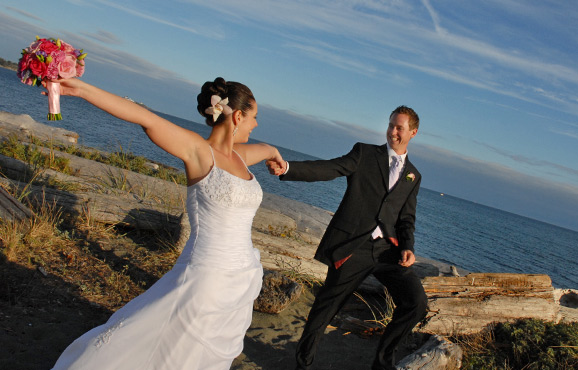

The Bridal Shop has sold Bridal Gowns and other formal women's fashion online for over 10 years. We've been in the Women's Formal Fashion business for over 20 years, both as a manufacturer and as a reseller with a retail location at 108 Mamaroneck Avenue, Mamaroneck, NY, and online with thebridalshop.com.We are "all about" Bridal (In fact we handle over 50 of the top brands manufacturing wedding dresses today). Be sure to check out our index page of Wedding Dresses and Bridal Gowns. You may find JUST the wedding dress or bridal gown that you are after.
Every day we sell all types of bridal fashion, including the very widest selection of Dresses and Gowns for the Mother of the Bride or Groom:
.

and Bridesmaid Dresses & Gowns & Quinceanera:

not to mention some of the most sought after dresses and gowns for that Special Occasion (Prom Dresses, Homecoming Dresses, or just an Evening Gown) to customers all over the world! (important note: Product Availability is subject to Manufacturer terms and conditions. Not all products are available for international purchase. Please contact us at +1 914-381-3808 for further information)
Weddings and bridal fashion are what we are all about. We carry the top manufacturers of Wedding Gowns. Just a sampling includes Maggie Sottero, Forever Yours, Mon Cheri Bridal, Bonny, and P.C. Mary's, Inc., Mary's Bridal©.
For the Bridesmaids in the wedding party, just a sampling includes Bill Levkoff, Mori Lee Bridesmaids and Raylia Designs.
For the Mother of the Bride or Groom, top manufacturers include Montage, Cameron Blake, Rina di Montella and Forever Yours Mother of the Bride. Make sure you review excellent selections of mother of the bride or groom dresses from Macis Designs, Damianou, and Ursula of Switzerland.
If you have an immediate need for a dress or a gown for a mother of the bride or groom, or for a special occasion, take a look styles 7590, 7586, 7585, 7437, 7432, 7371, and 7168 from LaBelle. As of June 15, 2007, as stock permits, each of these styles is available for immediate delivery.
For the Flower Girls in the Wedding Party, choose from Bonny Flower Girls, Forever Yours Flower Girls and Mon Cheri Flower Girls.
Please be sure to review our extensive presentation of Evening Dresses and Gowns from Jovani (many of these dresses are just right for Mother of the Bride or Groom, as well) "Dolce" by Jovani, "Cocktail Suits" by Jovani, "Special Occasions" by Jovani, "Short 'n Chic" by Jovani, and "Evening" by Jovani. While you're there, look over the styles from Terani, some of them are breathtaking and may be just what you're after.
We also offer an excellent selection of Quinceanera Dresses and Gowns. Check out Quinceanera styles from Bonny, Mary's Bridal©, and Mori Lee.
If you are shopping for plus size dresses or gowns, be sure to check out Majestic Timeless Beauty, Faviana, and "Unforgettables" by Bonny Bridal Gowns and Wedding Dresses. Keep in mind that Forever Yours offers extensive collections of bridal gowns and wedding dresses and gowns in plus sizes.
For store hours, please call 914-381-3808 ext 240 or 800-245-5869 ext 240.

Prom&Evening
Special Occasion
Bridesmaid
Mother of the Bride

The dress shown to the right is from the Cameron Blake Collection of Dresses and Gowns for Special Occasions.

We are adding new collections on a weekly basis. Please check back often to find the latest styles to wear on your special days.
We have a store front in Mamaroneck, New York. To visit our store, please contact us to make an appointment. To find out how to get to our store by car, boat, or train, please click here.

We also sell our merchandise through our web site, thebridalshop.com
IMPORTANT NOTICE: We ship Worldwide. Please be aware that each country has their own Customs Fees.
WEDDINGS, WEDDING GOWNS, WEDDING DRESS, WEDDING DRESSES, WEDDING GOWN, BRIDAL GOWN, BRIDAL DRESS, BRIDAL DRESSES, BRIDAL GOWNS AND PLUS SIZE BRIDAL DRESSES, INFORMAL WEDDING GOWNS AND INFORMAL WEDDING DRESS, HEADPIECE, HEADPIECES, CROWN, CROWNS, VEIL, VEILS, TIARA, TIARAS, ARE ALL ON SALE NOW!!!

Friday, 18 July 2008
The Bridal Shop


How to Plan Your Wedding
Planning your wedding is not an easy task and it can be quite stressful. The key is to stay organized. Here are a few tips to get you started.
Steps
- Set a budget. Very important -- you should plan how much you want to spend on each detail of your wedding, and make sure you don't exceed that amount. In some cases but not all, parents of the bride or groom will offer to pay for specific things.
- Choose a theme. It doesn't have to be anything really specific, but you want there to be a consistent feeling throughout. Make sure the theme is easy to plan and decorate. Everything should be consistent with the theme.
- Decide on the size of your wedding. Remember to talk this over with your fiance. A dream wedding for one may not be for the other.
- Choose your venue. Even church venues can charge fees.
- Choose your officiant (a pastor, for example). If they don't charge a fee outright to perform the ceremony, be courteous to pay a generous gratuity for their time.
- Attend pre-marriage counseling. This may take a large time commitment, but is worth it in the long-run. Be honest about your desires and expectations for marriage.
- Set the date. The factors in choosing a date include the availability of your venue, friends and family.
- Send out invitations. Be creative; you can make your own and add a personal touch. Send them as early as feasible, for yours to make schedule arrangements.
- Get the gown. Start looking early, months before the wedding. This way you will have plenty of time to make a selection and take care of fitting.
- Get some wedding rings. This is a fun task to do together.
- Find a photographer/videographer. Consider a professional for this special occasion.
- Decide what type of food and refreshments you will offer at the reception dinner. Try to find a happy medium between what would please your guests and what you can afford. Weigh the pros and cons of hiring a professional caterer, as it's not cheap, but it's one less thing you'll have to handle personally.
- Pick a cake. Before settling on a cake it's best to have a tasting first.
Tips
- Stay organized; get a looseleaf binder and insert tab pages for each detail of your wedding. Keep notes and worksheets for each detail and you will be well on your way to making your wedding unforgettable and reducing your stress.
- On the wedding day, be prepared for things not to go exactly as planned. This is a fun day! Regard the mishaps as part of the fun!
- If your pet is important in your life, it is becoming increasingly common to include your special pet in your wedding, and be sure to dress them up in a dog tuxedo or dress!
- Consider reading about married and home life at least twice as much as you read about wedding planning even as you prepare towards the wedding day. It will keep a better set of priorities in perspective. A wedding lasts a day, but a marriage lasts a lifetime.
Warnings
- If you try to plan your wedding by yourself, you may feel overwhelmed. Assign tasks to others in your party and family.
- Pay attention to wedding etiquette. Consult books by true experts like Miss Manners, rather than wedding magazines or popular (but etiquette-unreliable) websites like theknot.com. Contrary to popular belief, following proper modern etiquette will often lead to you spending LESS money on your wedding, NOT more!
Photography and Videography
The wedding photographs preserve forever the magnificence and magic of your wedding day. Your wedding video, on the other hand, tends to capture those precious and often spontaneous moments that defy the limitations of still photography.
Take the time to carefully select both the wedding photographer and videographer. Remember, these are the people who are in charge of recording your precious memories. Remember, you can click on the links for worksheets to help you with each step.
The Photography
Amazingly enough, the couple can plan, delight in, and obsess about their wedding day for 12 months, and then -- poof! -- everything's over before they know it. Even though the guests will appreciate every effort you both took to make this a memorable day, you both may find yourselves barely able to remember the menu, let alone the white roses at the end of the aisle.
For these reasons and a million more, your photographer will eventually (say, on your fifth wedding anniversary) become one of the most important persons to have attended your ceremony and reception.
Choosing a Photographer
Do your homework. Ask recently married couples for recommendations. Take a lot of uninterrupted time to study a photographer's portfolio. Look for technical skill, including clear, well-lit photos. Study the bride's and groom's faces: Was the photographer able to capture that nano-second where the bride's eyes expressed the love in her heart rather than the butterflies in her stomach? Despite being posed, do the traditional shots still have a sense of candid happiness, or do they seem flat and unanimated? Does the photographer use multiple-image, split-frame, or other creative techniques?
There are important questions for you both to ask during initial interviews with photographer candidates, such as the rate per hour, extra potential costs, photographer's attire, and number of assistants to be used. There are also definite ways to make the search for a photographer a little easier. For example, you should:
- Start early. The best photographers are booked months in advance. Since you want plenty of time to interview and review more than one photographer, it's best to begin this task as soon as possible.
- Ask to see friends' and relatives' wedding albums. Recommendations are great, but actually seeing the photographer's work is better still.
- Attend bridal fairs. Photographers often have booths at these fairs. You can look at portfolios, collect business cards, and check for available dates. It's also a great way to see several photographers without having to drive all over town.
- Ask your caterer, florist, and musicians for recommendations. These people are in the wedding business, and they've probably seen it all. Of course, their recommendations will probably be from a different perspective. For example, this photographer did not get in the way as food was served, and that photographer got right in the middle of the dance floor and captured every move. In the end, these are all important viewpoints that the average bride might not know to consider.
- Interview several choices. You both may think that wedding photographs are all the same, but they really aren't. There are different levels of creativity, talent, and technical skill. After talking to several photographers, you'll begin to understand the differences, and you'll spot the right person.
- Consider your chemistry with each photographer interviewed. While a photographer's portfolio is his best recommendation, it's also important to consider how you get along with this person. If you both prefer a take-charge, assertive person, look for these qualities during the interview. On the other hand, if you want someone who's laid-back and goes with the flow, watch for this attitude.
- Consider a photographer's creativity. When reviewing a photographer's portfolio, look for black-and-white treatments, multiple images, and other creative techniques. Don't be shy about making special requests. If a friend's wedding album catches your eye, ask if you can borrow her book and show it to each photographer you interview.
- Make sure your photographer has wedding-specific experience. Photographers who specialize in animal shots or formal portraits are probably not your best bet. You want someone who understands what a wedding album means.
Getting the Important Shots
If there are people at your wedding who you especially want photographed, make sure the photographer meets these people. Introducing the photographer to your great-grandmother is a nice responsibility for your maid/matron of honor. And be sure to make these special requests clearly known before the wedding day.
Wedding Photography Trends
If planned conversations are too daunting a task, ask the videographer to call special people into a room one at a time to record special messages. They can be from bride to mother, groom to brother, father to future son-in-law, or from any person who wants to send a message to the bride or groom. |
Several trends in wedding day photography can make the entire process much more predictable and less stressful. Ultimately, the ideas below can give you more free time on the wedding day.
- Take the formal shots the day or week before
your ceremony. Yes, the groom will have to see the bride
in her gown, but the benefits of a calm, unhurried session often outweigh any superstitions! Also, a pre-wedding-day photography session gives you both a true dress rehearsal. - Take more candid shots. There is something captivating about well-taken candid photographs. Some great candid opportunities are when everyone is getting ready, between formal shots when everyone is happy and playful, and as the bride awaits her first step down the aisle.
- Request creative techniques. Black-and-white or black-and-white hand-tinted photos, double exposures, or special filters all offer unique and captivating results.
Once you both have determined which specific shots are important and when you would like the photographer to take these shots, create a photography schedule to keep him or her on track. And while you're at it, make a contact sheet with the details of your wedding package along with basic information about the photographer. This will make sure you and the photographer are on the same page and eliminate any potential for surprises.
The Videographer
Like the photographer, the videographer is responsible for capturing memories. What sets the video apart from the wedding album is that video tends to be more action- and sound-oriented and thus has the potential for being more spontaneous and candid. There's no better way to remember the informal but nonetheless remarkable moments of your day.
Many times, video is the only way to capture the moment you exchange vows, since the flashes for still photographs are sometimes not permitted or wanted during the ceremony. A quiet video camera, unobtrusively set up stage left, allows you to hold those vows forever at your fingertips.
As you both did when selecting photography, interview several videographer candidates, and use friends' wedding videos to help express what you're looking for. Once you find that perfect videographer, create a videography schedule with all the key moments you would like captured plus a contact sheet detailing everything you need to remember about your videographer.
Details, details. There sure is a lot to remember when planning a wedding, isn't there? Let's keep going by learning more about getting the rehearsal, ceremony, and transportation details set on the next page.
- Hire an experienced yet independent photographer rather than a studio. Studios have more overhead than independent photographers. And while self-employed photographers may not be able to get proofs done as quickly as a larger studio, they may offer a better price.
- Skip the genuine leather, gold-embossed album. Cut back on your album cover costs, and you'll have a bigger budget for what goes inside.
- Don't overlap photo and video requests. If you are hiring a videographer to cruise the reception, you could forgo photographs of every table.
Rehearsal, Ceremony, and Transportation
It's easy to get bogged down in the details of wedding planning -- especially for aspects of the wedding that have so many components, like the rehearsal and the ceremony, and for the more mundane items on your checklist, such as transportation. Remember to keep the overall picture in mind, and always try to add a personal touch to each detail you both plan. Don't forget you can click on the links for worksheets to help you with each step.
The Rehearsal
The rehearsalis incredibly important, not only for obvious reasons, but also because it reduces the risk of ceremony surprises, tends to relax the wedding party, and gives his side a chance to mingle with her side. It also makes the reception even more fun and personal.
The worksheet link above provides a cheat sheet of everything you both need to remember about the rehearsal, including what you both should take along (such as the wine and the marriage license) that you will need on your actual wedding day.
Rehearsal Party
The rehearsal party immediately follows the official rehearsal. While the party is traditionally hosted by the groom's family, more and more groom's parents now choose instead to help with the overall reception costs, which, with the exception of the bar bill, were traditionally covered only by the bride's parents.
The rehearsal party is a chance for the bride and groom to mingle with loved ones and introduce wedding attendants from his family to wedding attendants from her family. It's also traditionally the time for the couple to give gifts to each wedding party attendant.
Rehearsal parties can run the gamut. They can be quite formal or casual. They can be in a restaurant or a private home. They can include dinner or simply be drinks and appetizers. In other words, anything goes and anything is acceptable.
All members of the wedding party are included on the rehearsal party guest list, as well as their spouses. All parents, the officiant (and his or her spouse), and the coordinator (if any) are also invited. Some couples also invite other wedding vendors (the musicians, photographer, etc.) and out-of-town guests, but that is entirely optional.
The Ceremony
This is the time to acknowledge every fantasy and recall every wedding ceremony that has touched the bride's and groom's heart -- whether the ceremony was your best friend's, your Aunt Mabel's, or a scene on the big screen starring Audrey Hepburn. Indulge yourselves and your most romantic dreams. The only real limitations are budget and size. (In other words, you both want to make sure the ceremony site can hold all of your guests.)
The Ceremony Site
Personal Touches Even if you both are planning a traditional ceremony, there are still ways to personalize the event:- Switch places. Have the officiant stand with his or her back toward the guests while you both face the guests.
- Consider a small ceremony. The smaller the guest list, the more options you have, such as asking guests to join hands in a circle around the bride and groom.
- Ask both sets of parents to participate in the processional. Instead of looking at it as the bride's father giving her away, think of it as two families joining together.
- Let the bride walk down the aisle with the groom. This is often done by older brides, but many young women also choose this option.
A ceremony does just as much to set the tone of the wedding day as anything else. If the bride and groom belong to the same church, synagogue, or temple and they want a traditional ceremony, choosing the ceremony site is simple. If, however, they want a more unique ceremony or if they do not belong to the same religious organization, then they may need to do a little hunting to find the perfect site.
There are four general ceremony styles for you both to choose
from. Each of the four styles has plenty of room for personal expression.- Switch places. Have the officiant stand with his or her back toward the guests while you both face the guests.
- Traditional: A traditional ceremony is performed in a church, synagogue, or temple by a religious leader. (A military ceremony is also considered traditional.)
- Contemporary: This ceremony is most often in a historical building, museum, garden, or along a shoreline. There generally still are seats, an aisle, and a religious officiant.
- Unique: These "extreme" ceremonies are held underwater, on mountaintops, in the air, or wherever your fantasy leads you. It takes a lot of courage to select this style, and you can expect more than the average number of regrets. If it's your dream, though, go for it!
- Private: Reserved women fall in love and get married, too -- they just don't want to be on center stage. For these people, a private ceremony at city hall or a small religious site is perfect. They can then have a large party, with lots of mingling and no spotlights, at another time.
No matter how extravagant or simple the couple's dreams are for the ceremony site, it's important they keep track of all the details, including such things as the maximum number of guests, fee involved, and attire restrictions.
Ceremony Costs
There are several standard fees associated with the wedding ceremony. The following areas are all considered normal add-on fees and should be included in the budget. In the end, all of these additional fees add value to your ceremony.
- Officiant: This is the person who actually performs the ceremony, legally pronouncing you husband and wife. The officiant may be a religious leader at the church, synagogue, or temple where you will hold your ceremony; a religious leader invited to your ceremony site from another church, synagogue, or temple; or a judge or justice. Whoever the person is, there will be a fee (or donation) for the service. Be sure to provide a schedule to the officiant so he or she knows exactly what you have planned for the ceremony.
- Site fee: There are often additional fees beyond the building in which you hold the ceremony. These are generally for decorative items used to set up the site to your liking or items associated with religious traditions. Some of the add-on fees may include an aisle runner, candelabras and candles (if permitted), the altar or chuppah, knee cushions, canopy, and chairs (if necessary in addition to the pews).
- Special services: Certain services outside the jurisdiction of your officiant or site manager include cleanup services, parking services, setup services, or tear-down services. These normally have an additional fee.
Wedding Vows
There was a time when the wedding vows were more or less set in stone. Those days, however, are gone. And while that's good news for those who are looking for another way to express their love, it also means one more thing for the bride and groom to worry about. Here are your choices:
- Traditional vows: If you are having a religious ceremony with traditional vows, there is still room for input. Read through the customary vows to make sure you find nothing contradictory with your beliefs, such as things that you think are outdated or sexist. Consider inserting special readings or poems. Sometimes family and friends are invited to read scriptures or poetry.
- Self-written vows: Many brides and grooms write their own vows. A few suggestions are to acknowledge the guests and the importance of their presence; explain the qualities you most love about your future spouse or tell your hopes for the future.
The Receiving Line
the Ceremony
|
The receiving line is a special chance for guests to officially meet the bride's and groom's families, as well as an opportunity to personally congratulate the newlyweds. This line is usually formed directly after the ceremony, with guests offering their congratulations as they move on to the reception. It can also be formed so that guests arriving at the reception must first pass through the line. It's perfectly fine to keep conversation brief (yet still somewhat personal).
Transportation
Some might consider limousine service on your wedding day extravagant, but it is a surprisingly affordable luxury -- and an appropriate indulgence when you consider the miles of lace the bride will be wearing. Check out several transportation company candidates before settling on one -- many offer great deals if you both search hard enough.
A limousine can be used both before and/or after the ceremony. For example, the bride and her attendants could take a limo to the church. The couple (and possibly the best man and maid/matron of honor) could also be whisked away to the reception in a limousine. And remember there are several romantic alternatives to a limousine service. For example, the couple may be able to rent an antique car or hire a horse and carriage.
One trend is to find a way to keep the whole wedding party together in transit. This can include anything from renting a trolley (check the Yellow Pages for any local companies) to renting a mini-bus (available through many limousine services). This allows the entire wedding party to have a private post-ceremony celebration together.
Beyond hiring transportation for yourselves and the wedding party, you may want to consider paying for valet parking for your guests. If the ceremony and reception are at a fine hotel, they probably already offer this service -- which you can often secure at a reduced rate. If this service is not part of your ceremony or reception package, consider hiring parking attendants. This is a particularly thoughtful gesture if your ceremony is someplace where street parking is difficult.
You' both have walked down the aisle, exchanged vows, puckered up for the all-important kiss -- and now it's party time! In the next section we will help you both plan your wedding reception.
- Private clubs or hotels: If you select a private establishment, you may need to be a member or have a member's sponsorship.
- Private homes or gardens: Look for dramatic features, such as a grand staircase or an elaborate garden. If the garden is what attracts you, ask the home owner when the flowers are peaking and schedule your wedding accordingly.
- Cruise ships or boats.
- Mountains, parks, or beaches: There may even be an on-site city-owned facility that has rooms to rent for weddings. Try calling the local parks and recreation department.
- Wineries or orchards.
- Historical or public sites.
- Art galleries or museums.
- Resorts or bed-and-breakfast inns: These are especially well suited for weekend weddings.
How to Plan a Wedding
Getting engaged can be one of the most memorable and exciting moments in your life. For the first few weeks after the proposal, you both feel dizzy with happiness and are bursting with anticipation. As well you both should be! You've met the man or woman of your dreams, you've decided to get married, and now it's time to plan the wedding -- the official celebration of your love and commitment.
As you plan this wonderful day, you both will continue to feel great joy, but may also experience a few butterflies and a little confusion. After all, organizing a ceremony and reception is a big undertaking.
There will be questions about anything and everything: from the meal (fish, chicken, or beef?) to the wedding gown (low-cut, fitted, or empire-waisted?) to the reception music (live band, small orchestra, or DJ?). There will be issues about budgets, guest lists, and styles.
But in the end, just remember what this day is really about -- a celebration of love. Stay focused, and keep organized. This is where this article comes in handy. It's packed with helpful information and useful worksheets that you both can click on and print out to help you stay on top of your wedding planning. You'll find:
- checklists for keeping track of what needs to be done
- useful charts for organizing the many little wedding-related details
- worksheets for wading through vendor candidates and potential site possibilities
- hint boxes loaded with valuable tips and other information
Plus, this article features special Stress-Busters and Budget Extenders tips that help you both tackle the tough problems and really stretch the wedding dollars.
Designed to help the engaged couple plan an entire wedding, from announcing the engagement and buying the rings to cutting your cake and planning the honeymoon, this article will help you both create a truly memorable day -- without driving yourselves crazy in the process.
Every wedding is different so there might be worksheets that you both will have to reprint to have enough to cover all of your guests or all of your vendor candidates. Conversely, there might be some worksheets that you won't need at all or that you might have to tweak to fit your needs.
Budget, Timetable, Rings, and Announcement
The engagement period will probably be the most gloriously tranquil time of a couple's wedding process. You both soon will be faced with decisions, compromises, and debates -- some simple, some funny, some tough, but all important.
While it's important to bask in all the happiness, there are also a few tasks that should be handled pretty quickly. The couple need to set the budget and a timetable for planning the wedding, buy the rings, and announce the engagement. Below are helpful tips on making the many choices surrounding these aspects of the wedding. Remember, you can click on the links for worksheets to help with each step.
Building a Budget
Setting a budget for the ceremony and wedding reception is somewhat easy -- you have what you have and that's that. Sticking to the budget is where things get tough. For now, the engaged couple needs to sit down with both sets of parents to discuss how much money they have, how much money they need, and who will be footing the bill for what part of the wedding.
It's going to be difficult at times, but try to plan a wedding within your means. Before you begin, determine a priority list for the ceremony and the reception. Ask yourselves a silent question: Is what we are spending on this item really worth it to both of us? After all, needing five years to pay off the reception is not the way to go, especially since most newlyweds have a long list of wanna-haves, such as a first home and/or new furniture.
Setting the Date
Sit down together to determine a wedding date priority list. You both may want to include your families in this conversation, especially if they live out of town. Here are several important things to consider when choosing a date:
- The honeymoon: Consider the type of honeymoon you both want. For instance, if you are both sun-worshipers, don't plan a wedding date when your favorite island is experiencing monsoon season.
- Work schedules: You both may have work periods when you can't take time off. Select a date when your lives are least demanding.
- Holidays and family occasions: Some couples go out of their way to schedule a wedding over a three-day weekend, so everyone has more time together. This idea works best if you send invitations at least eight weeks in advance; otherwise, people might already have plans.
- The bride's menstrual cycle: The bride wants to look and feel her best on her wedding day. If she suffers unpredictable cycles, a quick chat with her gynecologist may bring up solutions.
- Day of the week: Saturdays are generally the preferred wedding day. That way, out-of-town guests can easily stay overnight. Weekday dates result in many regrets.
- Alternate dates: If possible, have a first-choice date and at least one backup date.
Once the couple decides on a date, the real fun can begin! Work backward from the chosen date to determine a timetable of what needs to be done when. Some tasks, such as mailing invitations and picking up the rings, obviously can't be checked off until two months before the Big Day. On the other hand, you both want to take care of other items -- booking a florist and reception site, for example -- at least a year in advance.
How to Choose a Ring
|
In decades past, the man got down on one knee, ring in hand, and proposed. Today, many couples jointly decide to become husband and wife. Likewise, they choose the rings together. It pays to know a few things first:
- Find a jeweler you can trust. Use recommendations or family connections to find a jeweler you know to be honest and fair.
- Select a style. There are many rings out there, with styles from heirloom to contemporary. Choose a style that reflects your personal tastes.
- Set a price range. Have some sense of what you can afford before you even visit any jewelers. Most experts agree that the ring budget should total no more than
the bride and groom's combined salaries for two months. - Know your diamond basics. There are four
categories by which a jeweler assesses the worth of a diamond: cut, clarity, color, and carat (see "Knowing the Four C's").
Be sure to keep a good recordof where the rings were purchased, how much they cost, the four C's of the diamond, etc. This will come in handy for insurance purposes and if you find something wrong with the rings after bringing them home.
Also, you both just spent potentially thousands of dollars with a jeweler, so take advantage of your new status as a valued customer and consider using the same jeweler to purchase the bride's attendants' gifts. Don't be timid about asking for a quantity price break.
Announcing the Engagement
One of the most wonderful duties the couple has during this period is announcing the engagement to the world. And while you both may have an urge to shout the news from a rooftop, there are a few more traditional ways to announce the engagement.
First, you'll need to call the "A" list -- friends and family who need to hear the news straight from the bride or groom. Take a moment to jot down the names and numbers; be certain you both don't forget anyone in your immediate circle. Schedule a few chunks of free time to make the calls. You both are going to have a lot to talk about!
Traditionally, the groom's mother contacts the bride's mother for congratulations and a get-acquainted chat. It's a nice gesture to write down the bride's mother's home phone number and mail it or personally give it to her future mother-in-law. If the two women have not yet officially met, the bride might want to add a few words of encouragement like, "My mom can't wait to hear from you. She already has lots of things to discuss!"
Newspaper and Magazine Announcements
Newly engaged couples often send an official announcement to their local newspaper and/or city magazine. They need to contact the publications to find out the submission deadlines, run dates, and photo requirements (you may want to keep an engagement photo log with key information). Be sure to keep track of the newspapers and magazines contacted so you both can buy up plenty of copies when the announcement is published.
A proper announcement includes:
- Bride's full name
- Groom's full name
- Bride's mother's name
- Groom's mother's name
- Bride's father's name
- Groom's father's name
- Bride's parents' hometown and state
- Groom's parents' hometown and state
- Wedding site city, state
- Season, month, and/or date of wedding
It is not recommended that the couple include addresses, since they will receive many wonderful gifts during the next few months and don't want to tip off burglars.
Engagement parties often occur soon after making the official announcement. Presents are not generally given; if, however, someone does bring a gift, be sure to promptly send a thank you card. It's an easy gesture to forget, since about now both of your minds are focused on wedding plans, and you probably do not yet have official thank you cards printed.
Did you both get through the budget, timetable, rings, and announcement without a hitch? Good for you! If not, take a deep breath. It will all work out, and there's a lot more to do! Let's move on to find out more about making the guest list and selecting invitations in the next section.
- Pick your favorite exercise, and stick with it. Whether it's yoga, kick-boxing, or spinning, give this activity a few hours each week.
- If you both have something that calms your nerves -- be it reading, painting, or collecting rocks along the shore -- don't always put wedding plans ahead of this activity. You'll stay calmer, make sounder decisions, and enjoy the entire planning process more if you stay relaxed.
- Learn to ask for help. Delegating makes everyone feel better: It makes both or your Moms feel as if she has a vital role, and it puts less on your to-do list.
- Don't forget one of the most important reasons you are getting married to each other -- because you love spending time together. Once a week go on a date, and ban any talk about the Big Day.
wedding
A wedding is a ceremony that celebrates the beginning of a marriage or civil union. Wedding traditions and customs vary greatly between cultures, ethnic groups, religions, countries, and social classes. In some countries, cultures and religions, the actual act of marriage begins during the wedding ceremony. In others, the legal act of marriage occurs at the time of signing a marriage license or other legal document, and the wedding is then an opportunity to perform a traditional ceremony and celebrate with friends and family. A woman being married is called a bride, a man called a groom, and after the ceremony they become a wife or a husband, respectively.
Nuptial is the adjective of "wedding". It is used for example in zoology to denote plumage, coloration, behavior, etc related to or occurring in the mating season.
Overview
Most weddings contain wedding vows and a proclamation of marriage, usually by the officiant. Most weddings also involve wearing traditional clothes (i.e., kilts, white gown, red sari, etc.). A wedding is often followed or accompanied by a wedding reception.
Other elements may include music, poetry, prayer or scripture. Some elements of the traditional wedding ceremony in some Western countries symbolize the bride's departure from her father's control and entry into a new family with her husband. In modern weddings, this symbolism is largely vestigial.

The common element in a wedding is the assumption of spousal roles by the primary participants. The wedding is a special moment that marks the beginning of a new life together. Often, it is also a precursor to parenthood, marking the promise of a new family and a new generation. This moment is recognized with traditions, ceremonies and rituals including engagement and wedding ceremonies.
When it comes to planning a wedding, people often honor traditions, even if they do not fully understand their origin or meaning. Every culture cherishes its own wedding traditions and superstitions. Some of those are closely followed even by those who are normally not superstitious.
The figure of a bride in white is an important element of the ritual of marriage in western culture. However, new designs of gown are available so brides today may find themselves attracted to designs that do not look traditional. The symbolism behind the wedding dress, however, has not changed.
Wedding types and kinds
Double wedding
A double wedding is a single ceremony where two affianced couples rendezvous for two simultaneous or consecutive weddings. Typically, a fiancé with a sibling might plan a double wedding with that sibling. In the Philippines, however, the wedding of two siblings within the same year is considered bad luck and is called sukob.[citation needed]
Destination wedding
A destination wedding is any wedding in which the engaged couple and/or a majority of their guests travel to attend the ceremony. This could be a beach ceremony in the Caribbean or on the California coast, a lavish event in Las Vegas, or a simple ceremony at the home of a geographically distant friend or relative.
Weekend wedding
A weekend wedding is a wedding in which couples and their guests celebrate over the course of a weekend. Special activities, such as spa treatments and golf tournaments, may be scheduled into the wedding itinerary throughout the weekend. Lodging usually is at the same facility as the wedding and couples often host a Sunday brunch for the weekend's finale.
White wedding
A white wedding is a term for a traditional formal or semi-formal Western wedding. This term refers to the color of the wedding dress, which became popular in the Victorian era and came to symbolize purity of heart and the innocence of childhood. Later attribution suggested that the color white symbolized virginity.
Military wedding
A military wedding is a ceremony conducted in a military chapel and may involve a Saber Arch. In most military weddings the groom will wear a military dress uniform in lieu of civilian formalwear, although military dress uniforms largely serve the same purpose. Some retired military personnel who marry after their service has ended may opt for a military wedding.
Civil wedding
A civil wedding is a ceremony presided over by a local civil authority, such as an elected or appointed judge, justice of the peace or the mayor of a locality. Civil wedding ceremonies may use references to God or a deity (in UK law), but generally no references to a particular religion or denomination. They can be either elaborate or simple. Many civil wedding ceremonies take place in local town or city halls or courthouses in judge's chambers.
Sneak wedding
Eloping, the act of getting married behind people's back and without consent or approval.
Same-sex wedding
A same-sex wedding or same-gender wedding is a ceremony in which two people of the same sex are married or civilly united. This may be an official and legally recognized event, or, in places that do not allow same-sex marriage, it may simply be a symbolic ceremony designed to provide the opportunity to make the same public declarations and celebration with friends and family that any other type of wedding may afford.
International wedding customs

Common elements in wedding customs across cultures
A number of cultures utilize the western custom of a bride wearing a white dress. This tradition came to symbolize purity in the Victorian era (despite popular misconception, the white dress did not indicate virginity, which was symbolized by the face veil). Within the ‘white wedding’ tradition, a white dress and veil would not have been considered appropriate for a second or third wedding of a widow or a divorcee.
The custom of exchanging rings may be the oldest and most universal symbol of marriage, but the origins are unclear.[citation needed] The ring’s circular shape represents perfection and never-ending love. The rings are exchanged during the wedding ceremony and symbolize the love, faithfulness and commitment of the marriage union.[citation needed]
The wedding is often followed by a reception during which the rituals include toasting the bride and groom, the newlyweds' first dance as husband and wife, cake cutting, etc.
Music
Western weddings
Music often played at western weddings includes a processional song for walking down the aisle (ex: Wedding March) and reception dance music.
Music played at Western weddings includes:
- The "Bridal Chorus" from Lohengrin by Richard Wagner, often used as the processional and commonly known as "Here Comes the Bride" - Note: Richard Wagner is said to have been Anti-Semitic[4], and as a result, the Bridal Chorus is often not used at Jewish weddings. It is also generally discouraged for use at Roman Catholic weddings.[citation needed]
- Johann Pachelbel's Canon in D is often used as an alternative processional.
- The "Wedding March" from Felix Mendelssohn's incidental music for the Shakespeare play, A Midsummer Night's Dream, often used as a recessional.
- The "Toccata" from Charles-Marie Widor's Symphony for Organ No. 5, also used as a recessional.
- Segments of the Ode To Joy, the fourth movement of Ludwig van Beethoven's Ninth Symphony, sometimes make appearances at weddings; its message of unity is suitable for the occasion.
- At wedding receptions, Der Ententanz, a 1950s Swiss Oom-pah song known more commonly in America as The Chicken Dance, has become a popular part of the reception dance music.
-
Bridal march The Bridal Chorus from Richard Wagner's opera Lohengrin - Problems playing the files? See media help.
Chinese weddings
Chinese music plays an important role in creating a happy, friendly environment during the wedding ceremony. A band of musicians with gongs and flute-like instruments accompanies the bride parade to groom's home. Similar music is also played at the wedding banquet.
Jewish weddings
At traditional Jewish weddings, a solemn, wordless tune is sung as the groom and then bride walk down the aisles. Chabad tradition is to sing a special tune composed by their founding Rebbe, Rabbi Shneur Zalman of Liadi, the tune is comprised of four stanzas corresponding to the four worlds of kabbalistic cosmology, and is only sung at solemn occasions[5]. During the recessional, lively Hebrew songs are sung by the guests, who escort the couple from the chuppah.
Asian customs
Customs vary throughout the Asian continent.
Arabic customs
Arabic weddings vary depending on the country and religion of the bride and groom. Although Christian weddings in the Arab World bear clear similarities to Western weddings, the Muslim weddings in the Arab countries are influenced by Muslim traditions. Muslim weddings (pre-arranged or not) start with a Shaikh and Al-Kitab (book) for the bride and groom. The groom may or may not see his bride until the wedding day. Men and women in wedding ceremonies and receptions are segregated affairs, with areas for both men and women. An old tradition, now rarely observed, involves the women at the ceremony symbolically mourning the loss of the bride by doing the "wedding wail". The bride's dress is an ornate Caftan, and the bride's hands and feet are decorated in intricate lace-like patterns painted using a henna dye. Customarily women guests do not show their hair, shoulders or legs; and all guests at a Mosque remove their shoes on entering. Guests may give gifts to the bride and groom. Also, in many Arab countries including Syria, Jordan, Lebanon, and the Palestinian territories, the practice of carrying the bride and groom on chairs and dancing in a circle around them (dabke) is still carried out today. Many times, the bride and groom hold separate corners of a handkerchief. Arabs, nowadays, have Western-like weddings, but still preserve most Arab customs and traditions.[citation needed]
Bengali customs
Bengali wedding refers to both Muslim wedding and Hindu wedding in Bangladesh and West Bengal. Although Muslim and Hindu marriages have their distinctive religious rituals, there are many common cultural rituals in marriages across religion among Bengali people.
Chinese customs
- See also: Chinese tea culture and Red packet
Traditional Chinese marriage is a ceremonial ritual within Chinese societies that involve a marriage established by pre-arrangement between families. Within Chinese culture, romantic love was allowed, and monogamy was the norm for most ordinary citizens.
Cantonese customs
Most Cantonese wedding rituals follow the main Chinese wedding traditions, although some rituals are unique to the Cantonese people.
Filipino Customs
Customs and superstitions regarding marriage in the Philippines vary. Some examples are:
- The groom usually wears the Barong Tagalog during the wedding, along with the male attendants, though nowadays the wealthy opt to don Western attire such as a tuxedo.
- Sukob: weddings held within the same year by two siblings, usually sisters, are frowned upon as it is regarded as bad luck.
- Some hold it that the wedding rings dropping to the ground is a portent of bad luck (this is usually said to the ringbearer to ensure that the child is careful in handling the rings).
- Money, in the form of paper bills, is sometimes taped or pinned to the groom and bride during the reception.
Indian customs
Indian weddings are very bright events, filled with ritual and celebration, that continue for several days. They are not small affairs, often with 400-1000 people attending (many of whom are unknown to the bride and groom). Though arranged marriages were predominant, nowdays western influenced dating and "love" marriages have an equal following.
Rajput customs
Rajputs - one of the major Hindu Kshatriya groups from India - traditionally had their own typical rituals of marriage as it is one of the most important functions of life. It is relation which is created for seven generations between the two families of the Bride & the Groom. It comprises a ceremony each for the TILAK (engagement), the BAN (starting of the wedding ceremony, MEL the community feast, the Nikasi is the departure of the Bridegroom party for the wedding, Sehla & Dhukav reception of wedding party at the Brides place be her parents. Solemnisation of wedding Sat Fere.
Japanese customs
 | This article or section is in need of attention from an expert on the subject. WikiProject Japan or the Japan Portal may be able to help recruit one. |
Japanese wedding customs fall predominantly into two categories: traditional Shinto ceremonies, and modern Western-style ceremonies. In either case, the couple must first be legally married by filing for marriage at their local government office, and the official documentation must be produced in order for the ceremony to be held.
Shinto ceremony

Traditional Japanese wedding customs (shinzen shiki) involve an elaborate ceremony held at a Shinto shrine.
Western-style ceremony
In recent years, the "Western Style Wedding" (influenced by a Christian church wedding) has become an increasingly popular choice. To that end, an entire industry has sprung up, dedicated to providing couples with a ceremony modeled after Protestant church ceremonies. Japanese western style weddings are generally held in a chapel, either in a simple or elaborate ceremony, often at a dedicated wedding chapel within a hotel. Typically, much like in Western ceremonies, the bride and groom get their own changing rooms within the chapel, as does the bride's father and any other important guest who requires such a room. There is also a room to hold the reception afterwards.
Before the ceremony, there is a rehearsal. Often during this rehearsal, the bride's mother lowers the veil for her daughter, signifying the last act that a mother can do for her daughter, before "giving her away". The father of the bride, much like in Western ceremonies, walks the bride down the aisle to her awaiting groom.
After the rehearsal comes the procession. The wedding celebrant will often wear a wedding cross, or cana, a cross with two interlocking wedding rings attached, which symbolize a couple's commitment to sharing a life together in the bonds of holy matrimony. The wedding celebrant gives a brief welcome and an introductory speech before announcing the bride's entrance. The procession ends with the groom bowing to the bride's father. The father bows in return.
The service then starts. The service is given either in Japanese or English, or, in some cases, a mix of both. It follows a traditional Protestant ceremony, relaxed and not overtly religious. The opening hymn is usually the Japanese version of "What a Friend We Have in Jesus". Part of 1 Corinthians 13 is read from the Bible. After the reading, there is a prayer and a short message, explaining the sanctity of the wedding vows (seiyaku). The bride and groom share their vows and exchange rings. The chapel register is signed and the new couple is announced. This is often followed by the traditional wedding kiss. The service concludes with another hymn and a benediction.
Malay customs
A Malay wedding ceremony spreads over two days, beginning with the akad nikah ceremony. The groom signs the marriage contract and agrees to provide the bride with a mas kahwin(dowry). After that, their hands are dyed with henna during the berinai besar ceremony. The bride's hair is also trimmed or her eyebrows shaped by a beautician known as the mak andam.
Pakistani customs
A Pakistani wedding typically consist of four ceremonies on four separate days.
Russian customs
A traditional Russian wedding lasts for at least two days and some weddings last as long as a week. Throughout the celebration there is dancing, singing, long toasts, and a lot of food and drinks. The best man and maid of honor are called witnesses, “svideteli” in Russian. The ceremony and the ring exchange takes place on the first day of the wedding and on this special day many events take place. Throughout the years, Russian weddings have adopted many western cultures, including bridesmaids and flower girls.
European customs
Customs vary throughout the European continent.
The Western custom of a bride wearing a white wedding dress, came to symbolize purity in the Victorian era (despite popular misconception and the hackneyed jokes of situation comedies the white dress did not actually indicate virginity, which was symbolized by a face veil). Within the "white wedding" tradition, a white dress and veil would not have been considered appropriate in the second or third wedding of a widow or divorcee. The specific conventions of Western weddings, largely from a Protestant and Catholic viewpoint, are discussed at "White wedding."
A wedding is often followed or accompanied by a wedding reception, at which an elaborate wedding cake is served. Western traditions include toasting the couple, the newlyweds having the first dance, and cutting the cake. A bride may throw her bouquet to the assembled group of all unmarried women in attendance, with folklore suggesting the person who catches it will be the next to wed. A fairly recent equivalent has the groom throwing the bride's garter to the assembled unmarried men; the man who catches it is supposedly the next to wed.
A modern tradition is for brides to wear or carry "something old, something new, something borrowed, something blue" during the service. It is considered good luck to do so. Often the bride attempts to have one item that meets all of these qualifications, such as a borrowed blue handkerchief which is "new to her" but loaned by her grandmother (thus making it old). Another addition to this custom is to wear a penny in your shoe, this will bring you prosperity.
French customs
In smaller French towns, the groom may meet his fiancée at her home on the day of the wedding and escort her to the chapel where the ceremony is being held. As the couple proceeds to the chapel, children will stretch long white ribbons across the road which the bride will cut as she passes.
At the chapel, the bride and groom are seated on two red velvet chairs underneath a silk canopy called a carre. Laurel leaves may be scattered across their paths when they exit the chapel. Sometimes small coins are also tossed for the children to gather.

At the reception, the couple customarily uses a toasting cup called a Coupe de Marriage. The origin of giving this toast began in France, when a small piece of toast was literally dropped into the couple's wine to ensure a healthy life. The couple would lift their glass to "a toast", as is common in Western culture today.
Some couples choose to serve a croquembouche instead of a wedding cake. This dessert is a pyramid of crème-filled pastry puffs, drizzled with a caramel glaze.
At a more boisterous wedding, tradition involves continuing the celebration until very late at night. After the reception, those invited to the wedding will gather outside the newlyweds' window and bang pots and pans. They are then invited into the house for some more drinks in the couple's honor, after which the couple is finally allowed to be alone for their first night together as husband and wife.
Another practice common at wedding celebrations is Sabrage: the "beheading" a bottle of champagne with a sabre made for the occasion. It was started as a way for the Hussars (under Napoleon's command) to celebrate victories and exhibit their horseback skills: they would "behead" the top off a bottle of champagne while on horseback. Legend has it that the skilled horsemen would ride at a full gallop while brave women held up bottles of champagne. The sabre must strike the neck of the bottle at exactly the right angle (champagne bottles have over 100 pounds of pressure per square inch).
This practice spread throughout France as a way to celebrate special occasions. Decorative replicas of these special sabres can be purchased from artisans in Lyon, France (the French capital of cutlery).
Italian customs
In some parts of Italy, a party, known as a Serenade, is thrown outside of the bride’s home by the groom. His family and friends come and wait for the bride, entertaining themselves until she appears. The groom then sings to his bride to further seduce her. Once his song is sung, the party ends.
The day of the wedding the groom’s men try their hardest to make the groom as uncomfortable as possible by saying things like “Maybe she forgot where the church is”
It is also traditional for the grooms family to give a dowry to the bride and to provide the engagement ring. The bride’s family is then responsible for receiving the guests of the wedding in their home for a reception afterward.
The color green is very important in the Italian wedding. In Italy, the tradition of some thing blue is replaced with something green. This color brings good luck to the married couple. The veil and brides maids also were important in an Italian wedding. The tradition began in Ancient Rome when the veil was used to hide the bride from any spirits that would corrupt her and the bridesmaids were to wear similar outfits so that the evil spirits were further confused.
In Sicilian customs, the dessert course is often presented as a Venetian Table, a dazzling array of pastries, fruits, coffees, cakes, (etc) presented in great quantity with much celebration. This is often called Venetian Hour.
After dessert, more dancing commences, gifts are given, and the guests eventually begin to leave. In Southern Italy, as the guests leave, they hand envelopes of money to the bride and groom, who return the gift with a wedding favor, a small token of appreciation.
Polish customs
In Polish weddings the celebrations may continue for two or three days. In the past, the engagement ceremony was organized by the future groom as a formal family gathering, during which he asked his chosen lady to marry him. In the recent years this custom has changed and today an engagement is much more personal and intimate. An elegant dinner party afterwards is still a nice way to inform the closest family members about the couples' decision to get married.
In some regions of Poland the tradition to invite the wedding guests in person is still upheld. Many young couples, accompanied by the parents, visit their family and friends to hand them the wedding invitations personally.
According to the old tradition a groom arrives with his parents at the house of a bride just before the wedding ceremony. At that time both parents and parents-in-law give a young couple their blessing. The couple enter the church together and walks up to the altar followed by two witnesses and the parents. In Poland it is quite unusual for the bride to be walked down the aisle or to have bridesmaids and groomsmen in a wedding. The couple is assisted by two witnesses, a man (usually grooms' side) and a woman (usually brides' side) who are either family members or close friends.
The Polish bride traditionally wears a white dress and a veil. The groom, on the other hand usually wears a fitted suit with a bow tie and a boutonnière that matches the brides' bouquet. During the ceremony wedding rings are exchanged and both the husband and wife wear them on their right hand. When they leave the church the guests toss rice or coins at the married couple for good and prosperous future together. Right after the ceremony the closest family and all the guest form a line in the front of the church to congratulate the newlyweds and wish them love and happiness. As soon as the married couple leave the church they get showered with rice for luck or guests drop coins at their feet for them to pick up.
Once all the guests have showered the couple with kisses, hugs and flowers everyone heads to the reception. It is a custom in Poland to prepare "passing gates" on the way to the reception for the newlyweds, who in order to pass have to give the "gate keepers" some vodka. This is a misinterpretation of an earlier tradition, when the "passing gates" were built when the bride was an orphan and money collected by "gate keepers" from the guests was handed over to the bride as her dowry (being orphan implied usually poverty).
The married couple is welcomed at the reception place by the parents with bread and salt. The bread symbolizes the prosperity, salt stands for hardship of life, the parents wish the young couple that they never go hungry and learn how to deal with every day hardships together. The wedding party lasts (and the bride and groom remain) until the last guest leaves, usually until morning.
In Poland, movements like Human Liberties Crusade [6] [7] or Wedding of the Weddings promote non-alcoholic wedding celebrations.
Romanian customs
Lăutari are musicians performing traditional songs. The music of the lăutari establishes the structure of the elaborate Romanian peasant weddings. The lăutari also function as guides through the wedding rituals and moderate any conflicts that may arise during what can be a long, alcohol-fueled party. Over a period of nearly 48 hours, this can be very physically strenuous.
Following custom almost certainly dating back at least to the Middle Ages, most lăutari spend the fees from these wedding ceremonies on extended banquets for their friends and families over the days immediately following the wedding.
Scottish customs
Scotland is a popular place for young English couples to get married since, in Scotland, parents' permission is not required if both the bride and groom are old enough to legally be married (16). In England it was the case that if either was 16 or 17 then the permission of parents had to be sought. Thus Scotland, and especially the blacksmith's at Gretna Green, became a very popular place for couples to elope to, especially those under 18 and usually living in England. Gretna Green now hosts hundreds of weddings a year and is Scotland's third most popular tourist attraction.
Customs:
- The bride's family sends invitations on behalf of the couple to the wedding guests, addressed by hand. The couple may send the invitations themselves, especially if they are more middle-aged. The invites will specify if the invitation is for ceremony and/or reception and/or evening following the meal at the reception.
- Guests send or deliver wedding gifts to the bride's family home before the wedding day. Alternatively, the couple may register at department store and have a list of gifts there. The shop then organizes delivery, usually to the bride's parents' house or to the reception venue.
- A wedding ceremony takes place at a church, register office or possibly another favorite location, such as a hilltop. In this regard Scotland differs significantly from England where only pre-approved public locations may be used for the wedding ceremony. Most ceremonies take place mid afternoon and last about half an hour during which the marriage schedule is signed by the couple and two witnesses, usually the best man and chief bridesmaid.
- The newly wed couple usually leave the ceremony to the sound of bagpipes.
- There is a wedding reception following the ceremony, usually at a different venue.
- The bridal party lines up in a receiving line and the wedding guests file past, introducing themselves.
- Usually a drink is served while the guests and bridal party mingle. In some cases the drink may be whisky or wine with a non alcoholic alternative.
- The best man and bride's father toast the bride and groom with personal thoughts, stories, and well-wishes, usually humorous. The groom then follows with a response on behalf of his bride. Champagne is usually provided for the toast.
- There is nearly always dancing following the meal. Often in Scotland this takes the form of a ceilidh, a night of informal traditional Scottish dancing in couples and groups to live traditional music. The first dance is led by the bride and groom, followed by the rest of the bridal party and finally the guests.
- The cake-cutting ceremony takes place; the bride and groom jointly hold a cake cutter and cut the first pieces of the wedding cake.
- Gifts are not opened at the reception; they are either opened ahead of time and sometimes displayed at the reception, or if guests could not deliver gifts ahead of time, they are placed on a table at the reception for the bride and groom to take home with them and open later.
- A sprig of white heather is usually worn as a buttonhole for good luck.
- It is the norm for the groom and much of the male bridal party and guests to wear kilts, although suits are also worn. Kilts and Highland dress are often hired for this purpose.
Handfasting
Handfasting is an ancient Celtic wedding ritual in which the bride's and groom's hands are tied together — hence the phrase "tying the knot". "Handfasting" is favored by practitioners of Celtic-based religions and spiritual traditions, such as Wicca and Druidism.[citation needed]
North American customs
United States customs
A Christian or other mainstream wedding and reception (including a Jewish wedding) in the United States follow a similar pattern to the Italian wedding. Customs and traditions vary but components include the following:
- The bride wears “something old, something new, something borrowed, and something blue.”
- The bride usually wears a white dress.
- A color scheme is often used so that the invitation matches the bridesmaids' dresses and the table settings.
- Rice is sometimes thrown at the newlyweds as they leave the ceremony. [1]
- The bride's family sends engraved invitations to the wedding guests, addressed by hand (or in an elegant font) to show the importance and personal meaning of the occasion.
- Guests send or deliver wedding gifts to the bride's family home before the wedding day.
- A wedding ceremony takes place at a church or other location, such as an outdoor venue.
At the wedding reception following the ceremony, sometimes at the same location but sometimes at a different venue:
- The bridal party lines up in a receiving line and the wedding guests file past, introducing themselves.
- Usually snacks or a meal are served while the guests and bridal party mingle.
- Often the best man and/or maid of honor toast the bride and groom with personal thoughts, stories, and well-wishes; sometimes other guests follow with their own toasts. Champagne, sparkling cider, or nonalcoholic carbonated drinks are usually provided for this purpose.
- Clinking silverware against glassware obliges the newlyweds to kiss.
- If dancing is provided, the bride and groom first dance together. Often further protocol is followed, where they dance first with their respective mother and father, then possibly with the maid of honor and best man; then the bride and groom rejoin while the parents of the bride and groom join the dance and the best man and maid of honor dance together; then other attendants join in; then finally everyone is entitled to dance. Dancing continues throughout the reception. Music is sometimes provided by a live band or musical ensemble, sometimes by a disc jockey.
- In some cultures, the dollar dance takes place, in which it is expected and encouraged for guests to pin money onto the young bride and groom to give them a financial base to start their new lives.
- The cake-cutting ceremony takes place; the bride and groom jointly hold a cake cutter—often a special silver keepsake cutter purchased or given as a gift for the occasion--and cut the first pieces of the wedding cake. They then entwine arms and feed each other a bite of cake. In some social groups, the bride and groom smear cake on each other's faces at this time.
- The bride tosses her bouquet over her shoulder to the assembled unmarried women; the woman who catches it, superstition has it, will be the next to marry. In some social groups, the process is repeated for unmarried men with the groom tossing the bride's garter for the same purpose.
- Gifts are not opened at the reception; they are either opened ahead of time and sometimes displayed at the reception, or if guests could not deliver gifts ahead of time, they are placed on a table at the reception for the bride and groom to take home with them and open later.
Wedding gifts
The purpose of inviting guests was to have them witness a couple's marriage ceremony and vows and to share in the bride and groom's joy and celebration. Gifts for the bride and groom are optional, although most guests attempt to give at least a token gift of their best wishes. Some brides and grooms and families feel, contrary to proper etiquette, that for the expense and effort they put into showing their guests a good time and to wine and dine them, the guests should reciprocate by providing nice gifts or cash.
The couple often registers for gifts at a store well in advance of their wedding. This allows them to create a list of household items, usually including china, silverware and crystalware; often including linen preferences, pots and pans, and similar items. With brides and grooms who might already be independent and have lived on their own, even owning their own homes, they sometimes register at hardware or home improvement stores. Registries are intended to make it easy for guests who wish to purchase gifts to feel comfortable that they are purchasing gifts that the newlyweds will truly appreciate. The registry information should, according to etiquette, be provided only to guests who request it. Some couples register with services that enable money gifts intended to fund items such as a honeymoon, home purchase or college fund.
Some guests may find bridal registries inappropriate. They can be seen as an anathema to traditional notions behind gift buying, such as contravening the belief that "one should be happy for what they receive", taking away the element of surprise, and leading to present buying as a type of competition, as the couple knows the costs of each individual item. It may also be seen by some as inappropriate to invite people who do not know either the bride or groom well enough to be able to pick out an appropriate gift.
African-American customs
Jumping the broom developed out West African Asante custom. The broom in Asante and other Akan cultures also held spiritual value and symbolized sweeping away past wrongs or warding off evil spirits. Brooms were waved over the heads of marrying couples to ward off spirits. The couple would often but not always jump over the broom at the end of the ceremony.
The custom took on additional significance in the context of slavery in the United States. Slaves had no right to legal marriage; slaveholders considered slaves property and feared that legal marriage and family bonds had the potential to lead to organization and revolt. Marriage rituals, however, were important events to the Africans, who came in many cases come from richly-ceremonial African cultures.
Taking marriage vows in the presence of a witness and then leaping over the handle of a broom became the common practice to create a recognized union. Brooms are also symbols of the hearth, the center of the new family being created. Jumping the broom has become a practice in many modern weddings between Black Americans.[citation needed]
There are also traditions of broom jumping in Europe, in the Wicca and Celtic communities especially. They are probably unconnected with the African practice.[citation needed]
North American Jewish customs
The traditions used in a Jewish wedding are adhered to in varying forms based on the denomination of Judaism of the people being married. Some common themes are found throughout:[8][9][10][11][12]
- Before the ceremony, the couple formalize a written ketubah (marriage contract), specifying their obligations to each other and contingencies in case of divorce.
- The couple is married under a wedding canopy (chuppah), signifying their new home together. The chuppah can be made by attaching together two prayer shawls (talit), but may also be made from other cloth, or even, in less traditional ceremonies, from balloons or flowers.
- The couple is accompanied to the chuppah by both sets of parents, and stands under the chuppah accompanied by many family members.
- The couple share a glass of wine
- The couple declares that each is sanctified to the other, and/or repeats other vows, and exchanges rings. In Orthodox and traditional Jewish weddings, only the bride receives a ring, and only the groom speaks.
- The ceremony ends with the groom, or both participants, stepping on the wine glass, while the assembled congregation shouts mazel tov. The reasons given for this act vary from making a loud noise to scare away bad luck, to breaking the shared glass as a sign that no one else can partake in relations between the couple, to a symbolic spilling of blood (the wine dregs) to symbolize the wedding night, to a remembrance even at joyous occasions of the destruction of the Holy Temple in Jerusalem, to bringing revelers back to the reality of daily living, to (jestingly) the groom's last chance to put his foot down. In some ceremonies, a lightbulb is substituted because it makes a more satisfying noise when broken.
- The couple retire from the post-wedding festivities to briefly spend some time alone together.
Many of these traditions stem from much older marriage customs, and are directly relevant to Talmudic law regarding marriage.
African customs
Pygmy wedding traditions
Pygmy engagements were not long and usually formalized by an exchange of visits between the families concerned. The groom to be would bring a gift of game or maybe a few arrows to his new in-laws, take his bride home to live in his band and with his new parents. His only obligation is to find among his relatives a girl willing to marry a brother or male cousin of his wife. If he feels he can feed more than one wife, he may have additional wives.
Religious aspects of weddings
 | To meet Wikipedia's quality standards this section may need a rewrite, in part or in full. Reason: The intro to this section is about marriage, and needs to be rewritting to discuss weddings ceremonies and traditions instead, as does the section on Christian customs. A large amount of info in the section on Jewish customs is commented out and needs to be incorporated. Sections on other religious customs such as Islamic and Shinto eddings would also be helpful. Please discuss this issue on the talk page. |
 | Please help improve this section by expanding it. Further information might be found on the talk page or at requests for expansion. |
In virtually all religions, marriage is a life-long union between two or more people and is established with ceremonies and rituals. The people are most commonly one man and one woman[citation needed], though some religions have permitted polygamous marriages and some faiths and denominations recognize same-sex marriages.
In marriage, Christians see a picture of the relationship between Jesus Christ and His Church. In Judaism, marriage is so important that remaining unmarried is deemed unnatural. Islam also recommends marriage highly; among other things, it helps in the pursuit of spiritual perfection. The Bahá'í Faith sees marriage as a foundation of the structure of society, and considers it both a physical and spiritual bond that endures into the afterlife.[13] Hinduism sees marriage as a sacred duty that entails both religious and social obligations. By contrast, Buddhism does not encourage or discourage marriage, although it does teach how one might live a happily married life and emphasizes that married vows are not to be taken lightly (see separate article for details).
Different religions have different beliefs as regards the breakup of marriage (see divorce). For example, the Roman Catholic Church believes that marriage is a sacrament and a valid marriage between two baptized persons cannot be broken up by any other means than death. This means that civil divorcés cannot remarry in a Catholic church marriage as long as their spouse is alive.
In the area of nullity, religions and the state often apply different rules, meaning that a couple, for example, could have their marriage annulled by the Catholic Church but still be married in the eyes of the law because the state disagrees with the church over whether an annulment can be granted in a given case. This produces the phenomenon of Catholics getting church annulments simultaneously with civil divorces, so that they may remarry both legally and sacramentally. The Catholic Church will not, in fact, grant an annulment petition unless the marriage has also been dissolved or annulled under civil law. Though sometimes styled "Catholic divorce", an annulment means not a dissolution of a marriage, but the recognition that a marriage has not taken place at all. This applies to sacramental marriages; marriages between an unbaptized and a baptized person can be dissolved according to Canon law (see Pauline privilege).
Detailed viewpoints on various wedding customs
Customs associated with various religions
Christian customs
Many religions have extensive teachings regarding marriage. Most Christian churches give some form of blessing to a marriage; the wedding ceremony typically includes some sort of pledge by the community to support the couple's relationship. A church wedding is a ceremony presided over by a Christian priest or pastor. Ceremonies are based on reference to God, and are frequently embodied into other church ceremonies such as Holy Mass [14].
Customs may vary widely between denominations. In the Roman Catholic Church "Holy Matrimony" is considered to be one of the seven sacraments, in this case one that the spouses bestow upon each other in front of a priest and members of the community as witnesses. As all sacraments, it is seen as having been instituted by Jesus Christ himself (See Mt 19:1-2, CCC §1614-1615). In the Eastern Orthodox church, it is one of the Mysteries, and is seen as an ordination and a martyrdom.
Quaker customs
A Quaker wedding ceremony in a Friends meeting is similar to any other Meeting for Worship, and therefore often very different from the experience expected by non-Friends.
Hindu customs
North and South Indian wedding ceremonies are conducted at least partially in Sanskrit, the language in which most holy Hindu ceremonies are conducted. The local language of the people involved is also used since most Hindus cannot understand Sanskrit. They may have rituals that differ fom the modern western wedding ceremony and also among the different regions, families, and castes such as Rajput Wedding, Aggarwal Weddings, Iyer Weddings and Tamil Weddings. The ceremonies are colourful and extend for several days.
Orthodox Jewish customs
 | It has been suggested that this section be split into a new article. (Discuss) |
The following documents Orthodox Jewish marriage customs and beliefs.
- The day of one's wedding is a time when a person's sins are forgiven and is considered to be like a personal, mini-Yom Kippur.[15][16][17][18] For this reason, the bride (kallah) and groom (chatan) fast until the ceremony, unless the wedding is held on a day when fasting is not permitted, such as Rosh Chodesh or Chanukah.[19][20][21][22] The bride and groom will include Yom Kippur prayers in their mincha (afternoon prayers).[23] The bride and groom are accompanied by a shomer, or chaperon, from the time they wake up on their wedding day, usually accomplished by a close friend or relative.
- The bride and groom have a Shtar haTana'im (lit. "document of conditions") drawn up, comitting the groom to his chosen bride.[24] In the age of the Talmud, it was customary for the bride and groom to be "engaged" for approximately one year prior to the completion of the marriage; the two parts of the wedding ceremony, erusin and nisu'in, occurred a year apart. The Shtar haTana'im was a more informal declaration of the couple's intentions. Like all legal documents in Judaism, it is signed by two witnesses. Because the reading of the shtar is one of the first of many official rituals of the joyous wedding ceremony, a plate is smashed after the public reading of the shtar.[25] This smashing is usually done by the two mothers of the bridal couple.
- A ketubah (marriage contract) is arrainged, specifying the bride and groom's obligations to each other and contingencies in case of divorce.[26] In Orthodox tradition, this contract is then kept hidden in the household, while in Conservative and Reform traditions it is often created and displayed as a work of art. The signing of the ketubah may occur in private before the public ceremony. The ketubah is signed by two witnesses.[27] The ketubah must be kept in a secure place for the duration of the marriage, because in the event it is lost or stolen, the couple may not be intimate until a replacement is drawn up.[28][29][30]
- In order to increase the excitement of the wedding day, there is an Ashkenazic custom, although it has become more widespread, for couples to deliberately cease all forms of contact for one week prior to the wedding day.[31][32]
- Just prior to the chuppah, the groom is marched in to see the bride at what has been come to be called the bedekin, or "veiling". It is here that the bride's veil is lowered to cover her face,[33][34] just like Rebecca covered her face when she first saw her husband, Isaac.[35][36] There is a custom for the groom and others to bless the bride with the verse from Genesis 24:60, "You shall be the mother of multitudes."[37] In order to remember the destruction of the Holy Temple in Jerusalem, the bride's veil contains no silver or gold strands.[38] For those brides and grooms who have kept apart for the week preceding the wedding, this will be the first time they see each other since before their separation.
- The couple is married under a chuppah (wedding canopy) and it was customary for the chuppah to be under the open sky, to fulfill the verse in Exodus 15:5, "Thus like the stars shall your children be."[39][40] Most modern-day wedding halls possess a sliding roof or folding hatch directly above the location of the chuppah that is kept open for the duration of the ceremony. The chuppah can be made of most any material, but customarily takes the form of a cloth suspended by four poles.[41] Some have the family custom of using prayer shawls (talitot) for the cloth roof. The chuppah represents the new home of the couple[42][43][44] and is similar to the tent of Abraham, which was open on all four sides as an invitation to guests. Ideally, the wedding should not occur when the bride is in a state of niddah.[45]
- The groom and bridge are led down the aisle to the chuppah accompanied by their sets of parents, respectively. If either the bride or the groom come from broken or scandelous homes or are converts, some will walk down accompanied by an upstanding, righteous couple of their community.
- The groomsmen dress the groom in a kittel.[46] This white robe is customarily worn on a number of other occasions, such as on Yom Kippur, as well as by the deceased when they are buried. The purpose of the kittel is to remind the groom of the "day of death" and to "awaken him to repent".[47] It is also customary for ashes to be placed upon the forehead of the groom[48][49] as yet another recollection of the destruction of the Holy Temple. In keeping with the symbolism of the chuppah as their new home, the groom exits slightly when the bride approaches to welcome and bring her in.[50] After entering the chuppan, Ashkenazic custom calls for the bridesmaids, together with the bride, to encircle the groom seven times[51] to symbolize the woman's capacity to protect her husband from harm.[52]
- It is only after the bride and groom are standing together under the chuppah that the chief ceremonies of the Jewish wedding take place. First, the leader of the arbitrator leading the ceremony (misader kiddushin) makes two blessings: the first on wine and the second on the act of kiddushin, or marriage.[53] After he finishes the blessings, both the bride and groom drink some of the wine. The groom then declares that the bride is sanctified to him with the central statement of the wedding ceremony and the giving of the ring: Hare at mekudeshet li betaba' at zo k'dat Moshe v' Yisrael, ("With this ring you are consecrated to me as my wife in accordance with the law (more accurately, religious teaching) of Moses and the people Israel." A ring is not necessary; in fact anything of sufficient value may be used to wed, as long as the item belongs entirely and properly to the groom.[54] Two kosher witnesses must see the item of value being passed from the groom to the bride.[55] Because the ring giving bears significance as a legal transaction in Jewish law, the wedding ceremony may not take place on shabbos or Jewish holidays with sabbath-like work restictions.[56][57]
- In Orthodox and traditional Jewish weddings, only the bride receives a ring, and only the groom speaks. For those who hold a dual-ring ceremony, the bride may present the ring to the groom at this point with the phrase Ani l'dodi v'dodi li ("I am my beloved's and my beloved is mine").
- After the initial two blessings and the ring giving, the ketubah is read aloud as an interlude[58] between the first portion of the wedding ceremony, kiddushin, and the second portion, known as ni'suin. As the ketubah is generally written in Aramaic (the common language in the times of the Talmud, which is similarly written in Aramaic), it is important to appoint someone who is fluent in that language.
- The chuppah ceremony continues with nisu'in, during which seven blessings are made over another cup of wine. In Orthodox tradition, ten males over the age of bar mitzvah in attendance are necessary for the recitation of the first six of these blessings.[59][60] As an honor, a number of rabbis, community leaders or relatives and close friends may be called upon to recite the seven blessings, known in Hebrew as sheva brachot. If the bride and groom have both been previously married, only three blessings are recited.[61]
- The ceremony ends with the groom stepping on a glass to comemorate the destruction of the Holy Temple in Jerusalem.[62] In some ceremonies, a lightbulb is substituted.
- The couple is then joyously accompanied to a private room to complete the official wedding ceremony with yichud, or seclusion.[63][64] It is imperitive that the couple be allowed to remain alone for a certain period of time in order to validate the marriage.
- It is in keeping with the joyous occasion of a wedding that the invitees dance in front of, entertain and praise the new couple.[65]
Many of these traditions stem from much older marriage customs, and are directly relevant to talmudic law regarding marriage.
There are several activities that may take place during the reception, depending upon the sensitivitis or family traditions of the wedding party:
- A dance in which the bride and groom hold opposite corners of a handkerchief while they are lifted up on chairs by the guests and whirled around.
- The Krenzl, in which the bride's mother is crowned with a wreath of flowers as her daughters dance around her (traditionally at the wedding of the mother's last unwed daughter).
- The Mizinke, a dance for the parents of the bride or groom when their last child is wed.
- The gladdening of the bride, in which guests dance around the bride, and can include the use of "shtick" -- silly items such as signs, banners, costumes, confetti, and jump ropes made of table napkins.
- The singing of Aishet Chayil to the bride by the groom, accompanied by his friends.
LDS customs
| |
Within The Church of Jesus Christ of Latter-day Saints (also known as Mormons), the act of marriage is regarded as an eternal affair. As such, there are two kinds of marriages recognized by the Church, civil marriage and celestial marriage. Civil marriages are those legally contracted under local law and are dissolved upon the death of the participants, while celestial marriages, also known as sealings, bind the participants as husband and wife for all eternity if both are righteous.
Celestial marriages can only be performed by Priesthood authority within a Sealing Room in a dedicated temple. Only members of the LDS church who have a temple recommend may attend an LDS wedding. The wedding is often referred to as a sealing, in which husband and wife are sealed beyond death into the next life. Space is limited in sealing rooms so only family and close friends attend.
The sealing can be performed at the same approximate time as the civil marriage or for a couple civilly married for at least one year. In the latter case, if the couple already has children, they may also accompany the ceremony to be sealed to their parents. Children who are born to parents who have already been sealed need no such ceremony, as they have been "born in the covenant."
Many LDS couples will then hold wedding receptions or open houses after the wedding ceremony in another venue that is open to all family and friends. Some couples choose to recreate a more traditional wedding ceremony, or will simply perform certain traditional acts, such as the throwing of the bouquet, first dance, etc.
Economic aspects
In the United Kingdom, the average wedding cost approximately £20,000 in 2005[66]. This means that couples wait longer before getting married, with the average age of those getting married 6.7 years higher than 20 years previously.
Gallery
 Wedding ceremony at the Victory Monument in Minsk. |  Wedding in Poland, 1936. | ||
 Ethnic Hakka people in a wedding in East Timor, 2006. |  Japanese bride and groom, wearing white and black kimonos respectively. The Japanese bride-to-be is painted pure white from head to toe, visibly declaring her maiden status to the gods; a white hood is attached to her kimono, which the bride wears like a veil to hide her 'horns of jealousy' from the groom's mother, who will now become the head of the family. |  A wedding cake. |  Two decorated mustangs. |
 Two grooms at their same-sex wedding in Wellington, New Zealand. |  A new bride tossing her flower bouquet over her shoulder. |

